How Does Bitcoin Mining Work? A Simple Guide to Crypto Mining Machines
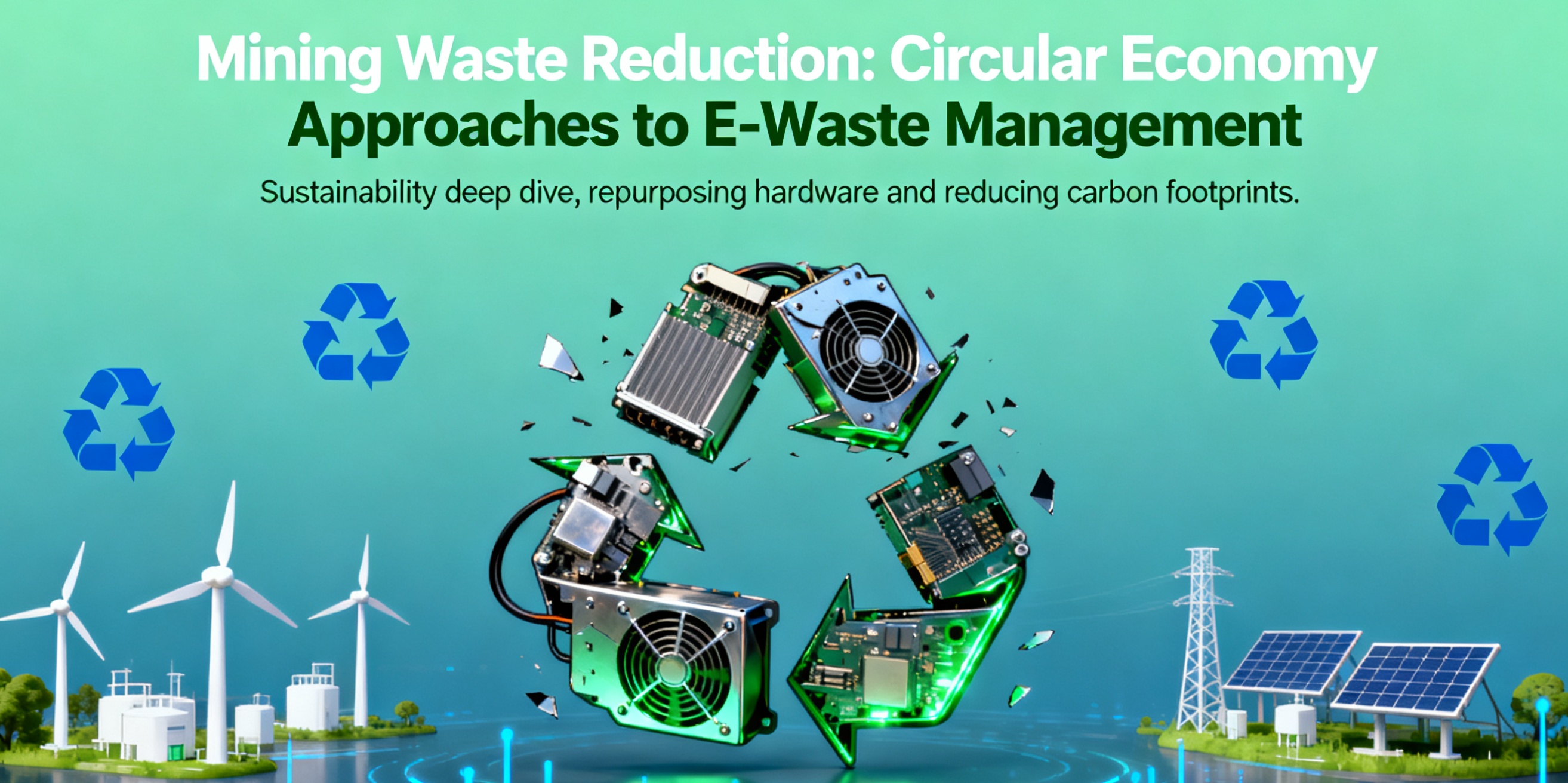
Bitcoin mining is the backbone of the world's first cryptocurrency network. But how does the specialized hardware, known as a Bitcoin mining machine, actually perform this task? At its core, mining serves two critical functions: it processes and secures transactions on the Bitcoin blockchain, and it introduces new bitcoins into circulation in a decentralized way. The machine itself is the tireless workhorse making this possible.
The process begins with transactions. When you send Bitcoin, that transaction is broadcast to a global network of computers. Mining machines collect these pending transactions from a memory pool and bundle them into a candidate block. Their primary job is to solve an extremely complex cryptographic puzzle to validate this block. This puzzle involves taking the block's data and running it through a hash function (SHA-256), aiming to produce an output that meets a specific, demanding condition set by the network.
This condition is called the "target hash." Miners must find a hash value that is below this target by varying a small piece of data in the block called the "nonce." It is a relentless trial-and-error process. The mining machine will guess trillions of nonce values per second, each time hashing the entire block to see if the result hits the target. This requires immense computational power and electricity, as there is no shortcut to the solution.
The first mining machine to find a valid hash broadcasts its result to the network. Other nodes then easily verify the solution. Once confirmed, the new block is added to the end of the blockchain, making all transactions within it permanent. As a reward for this costly work, the successful miner receives a block reward (newly minted bitcoins) and the transaction fees from all transactions in that block. This is the incentive that powers the entire mining ecosystem.
Modern Bitcoin mining is dominated by ASICs (Application-Specific Integrated Circuits). These are powerful computers designed for the sole purpose of calculating SHA-256 hashes as efficiently as possible. CPU or GPU mining, common in the early days, is now obsolete for Bitcoin due to ASICs' overwhelming advantage in speed and energy efficiency. The mining landscape has evolved into a highly competitive industrial operation, with large mining farms housing thousands of ASICs operating 24/7.
The difficulty of the mining puzzle automatically adjusts approximately every two weeks based on the total computational power (hash rate) of the network. This ensures that, on average, a new block is found only every ten minutes, regardless of how many machines are mining. As more miners join the race, the difficulty increases, maintaining the security and predictable issuance of Bitcoin. Therefore, a mining machine's profitability depends not only on its own speed and power consumption but also on the global network difficulty and the price of Bitcoin.
In summary, a Bitcoin mining machine mines by performing quintillions of calculations per second to solve a cryptographic puzzle. By doing so, it secures the blockchain, confirms transactions, and earns bitcoin rewards. It is a specialized instrument that converts electrical energy into computational guesswork, playing a vital role in maintaining the decentralized and trustless nature of the Bitcoin network.
Post a Comment