How to Mine Bitcoin at Home: A Beginner's Step-by-Step Guide (2024)
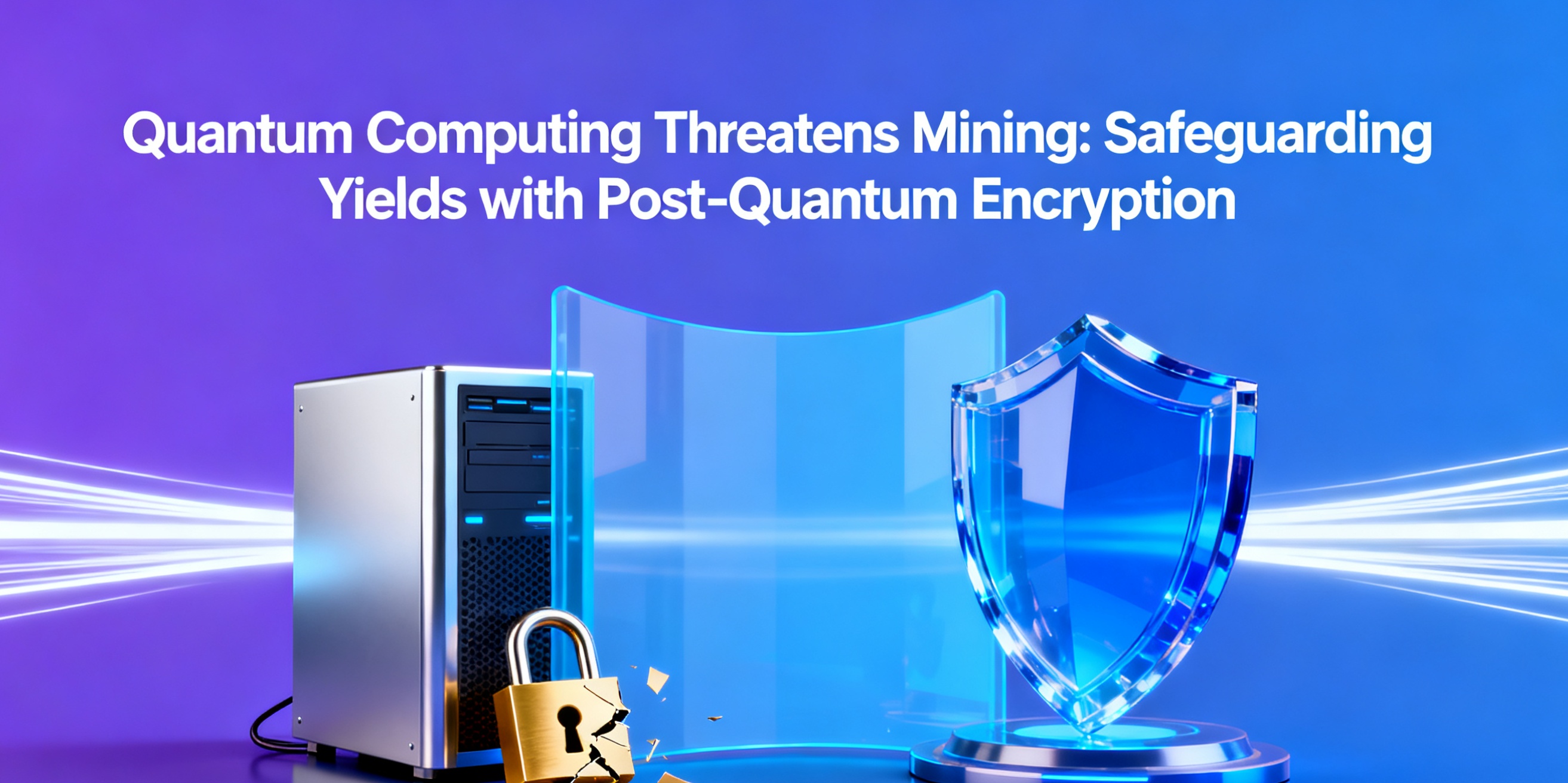
Bitcoin mining is the process that secures the network and creates new coins. While dominated by large professional operations, individual mining is still possible with the right approach. This guide explains how to mine Bitcoin on your own today.
The first and most critical step is understanding the hardware requirement. Mining Bitcoin with a standard computer CPU or GPU is no longer viable. You now need specialized hardware called an ASIC (Application-Specific Integrated Circuit) miner. These machines are designed solely for the SHA-256 algorithm Bitcoin uses. Before purchasing, research models for their hash rate (computing power) and energy efficiency (joules per terahash), as electricity cost is your primary ongoing expense.
Next, you must choose mining software. This software connects your hardware to the Bitcoin blockchain and mining pool. Popular options include CGMiner, BFGMiner, and NiceHash. The choice often depends on your ASIC model and operating system. The software is typically free to download and use.
Joining a mining pool is essential for individual miners. The mining difficulty is so high that solo mining has an extremely low chance of ever finding a block. A pool combines the hash power of all its participants. When the pool successfully mines a block, the reward is distributed among members based on their contributed work. Research pools for their fee structure, payout scheme, and reputation before joining.
A secure Bitcoin wallet is mandatory. You need a wallet address to receive your mining rewards. Options range from hardware wallets (most secure) to mobile or desktop wallets. Never use an exchange address directly for pooled mining, as payout policies can change.
The profitability calculation cannot be ignored. Use an online Bitcoin mining calculator. Input your ASIC's hash rate and power consumption, your electricity cost per kilowatt-hour, and the pool fee. The calculator will estimate your potential earnings versus costs. In many regions, residential electricity rates make mining unprofitable. Always run this calculation before investing in hardware.
Finally, consider setup and operation. ASIC miners are loud and generate significant heat. You need a cool, well-ventilated space, such as a basement or dedicated room. Ensure your electrical circuit can handle the constant load safely. You will also need to configure your mining software with details from your chosen pool and your wallet address.
While challenging, solo Bitcoin mining offers a hands-on way to participate in the network's security. Success hinges on meticulous research into hardware efficiency, precise calculation of operational costs, and managing expectations. For many, joining a reputable pool and optimizing for low electricity costs is the only path to potential profitability. Start small, learn continuously, and always prioritize electrical safety in your home mining setup.
Post a Comment