Fastest Bitcoin Mining Methods in 2024: A Practical Guide
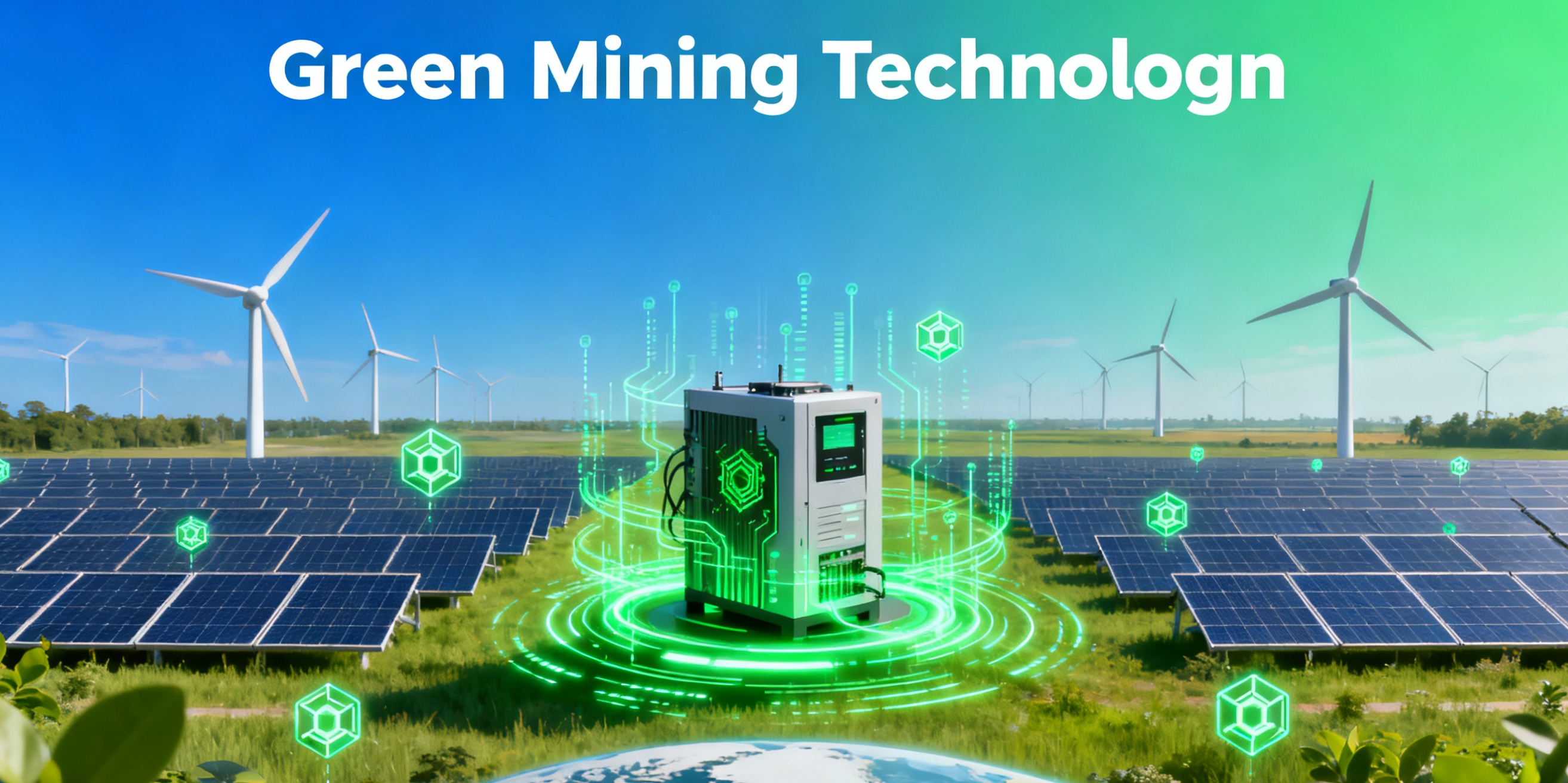
Many newcomers to cryptocurrency ask, "How to mine Bitcoin the fastest?" The answer has evolved significantly since Bitcoin's early days. Today, the fastest method isn't about a single trick but a strategic combination of hardware, software, and location. This guide outlines the most effective approaches for maximizing your Bitcoin mining speed while remaining compliant and realistic.
The absolute cornerstone of fast Bitcoin mining is accessing the most powerful hardware. For individual miners, this means using Application-Specific Integrated Circuits, or ASICs. These machines are designed solely for mining cryptocurrencies like Bitcoin and vastly outperform older GPUs or CPUs. Models from manufacturers like Bitmain, MicroBT, and Canaan consistently lead the hash rate charts. Investing in the latest generation ASIC miner is the single biggest factor in increasing your mining speed, as hash rate directly determines your probability of earning block rewards.
However, owning powerful hardware is only the first step. To mine Bitcoin effectively, you must join a mining pool. Solo mining with even a few ASICs is incredibly unlikely to solve a block quickly due to the network's immense total computational power. A mining pool combines the hash power of all its participants, increasing the frequency of earning rewards. When the pool successfully mines a block, the reward is distributed among members based on their contributed hash rate. Choosing a reputable and large pool like Foundry USA, Antpool, or F2Pool provides more consistent, and therefore effectively faster, payouts.
Your operational setup critically impacts performance. ASIC miners generate immense heat and consume enormous electricity. To ensure they run at peak speed without throttling or failure, you need a dedicated, well-ventilated cooling system. More importantly, securing access to the cheapest possible electricity is paramount. The profitability and operational sustainability of fast mining depend on low power costs. Many professional miners seek locations with cool climates and subsidized renewable energy, such as hydroelectric or geothermal power, to reduce this primary operational cost.
Beyond physical setup, optimizing your software and wallet configuration contributes to efficiency. Using mining software like Braiins OS+ or Awesome Miner can help you fine-tune your ASICs for better performance and monitoring. Ensuring you have a low-latency connection to your mining pool's server also minimizes stale shares, making your contributed hash power more effective. Furthermore, using a secure and reliable Bitcoin wallet to receive your payouts is an essential final step in the process.
It is crucial to approach "fast" Bitcoin mining with realistic expectations. The network difficulty adjusts approximately every two weeks, making it harder to mine if more total hash power joins the network. What seems fast today may be less competitive tomorrow. Additionally, the high upfront costs for equipment and ongoing electricity expenses require careful calculation. Always use a Bitcoin mining profitability calculator, inputting your hardware's hash rate, power consumption, local electricity costs, and the current Bitcoin price to estimate potential earnings before making significant investments.
In conclusion, the fastest path to mining Bitcoin involves a multi-faceted strategy: procure the latest high-hash-rate ASIC hardware, join a major mining pool for consistent rewards, and establish operations in a cool location with extremely cheap electricity. While the dream of instantly mining Bitcoin with a home computer is long gone, methodical planning and strategic investment in the right infrastructure offer the most viable way to participate competitively in Bitcoin mining today. Continuous research and adaptability to changing market conditions remain key for long-term success.
Post a Comment