How Bitcoin Mining Works: A Step-by-Step Guide to Earning New Coins
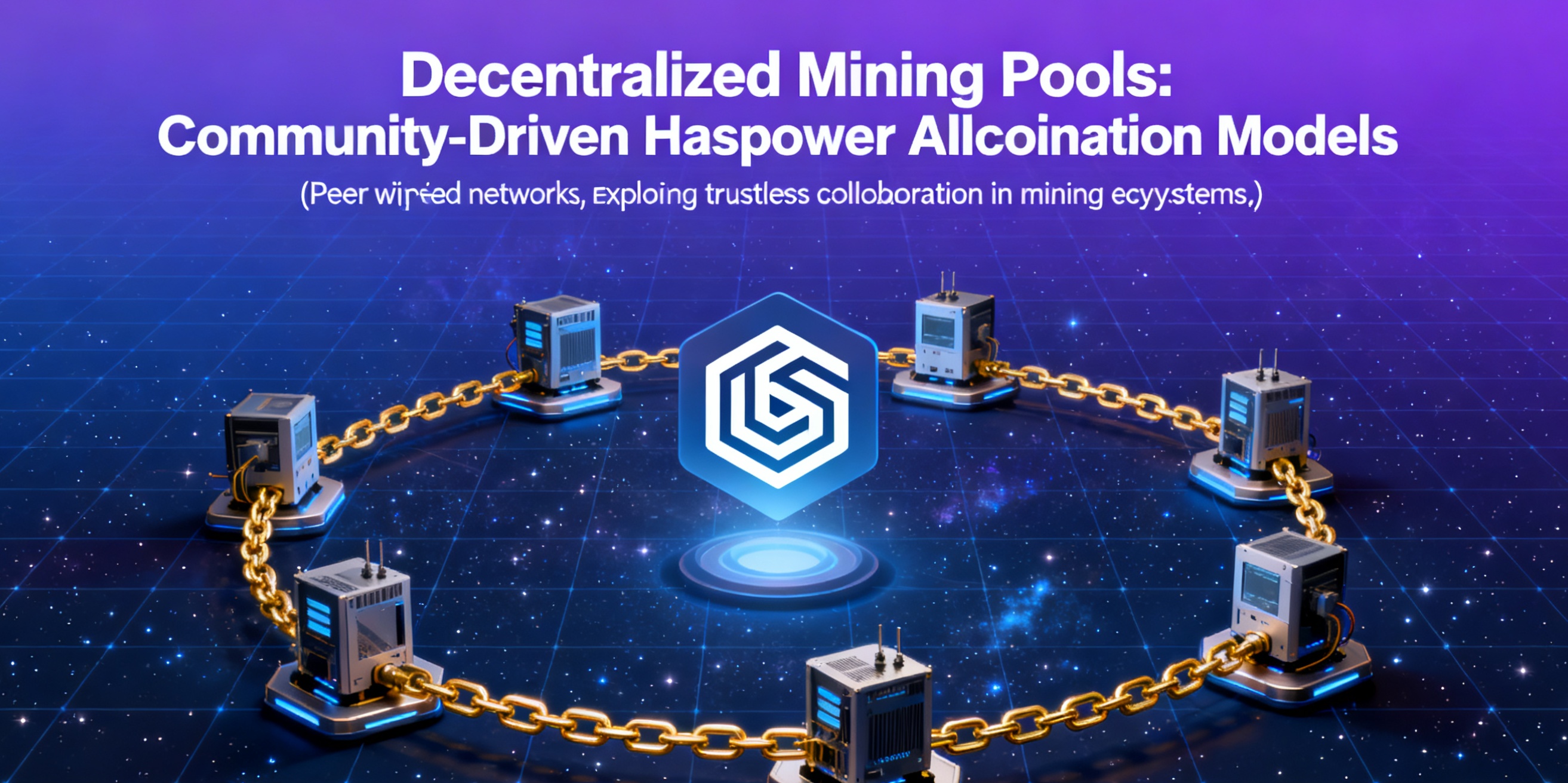
Bitcoin mining is the critical process that powers and secures the entire Bitcoin network. It involves using specialized computers to solve complex mathematical puzzles, validating transactions, and adding new blocks to the blockchain. Successful miners are rewarded with newly created bitcoin and transaction fees, making it the mechanism through which new coins enter circulation.
At its core, mining serves two primary purposes: it confirms transactions in a trustless manner and it creates new digital currency in a decentralized way. Instead of a central bank issuing money, Bitcoin's code relies on a global network of miners competing to process batches of transactions, known as blocks. This process ensures that no single entity can control the network or fraudulently alter the transaction history.
The mining process begins with the collection of pending transactions from the memory pool. Miners compile these into a candidate block. They then must find a cryptographic solution for this block that meets the current network's difficulty target. This involves repeatedly hashing the block's header with a changing variable called a nonce until a hash lower than the target is found. This proof-of-work is computationally intensive and requires significant energy.
The hardware used for mining has evolved dramatically. Initially, miners used standard Central Processing Units (CPUs). This was quickly succeeded by more powerful Graphics Processing Units (GPUs). Today, professional Bitcoin mining is dominated by Application-Specific Integrated Circuits (ASICs). These are machines designed solely for mining cryptocurrency, offering unparalleled processing power and energy efficiency compared to general-purpose hardware.
Miners often join forces in mining pools to combine their computational power, or hash rate. By working together, they increase their chances of solving a block and earning the reward. When the pool is successful, the reward is distributed among participants proportionally to the amount of hash power they contributed. This allows individual miners to receive more frequent, predictable payouts rather than facing the immense uncertainty of mining solo.
The mining difficulty adjusts approximately every two weeks, or every 2016 blocks. This adjustment ensures that the average time between new blocks remains around ten minutes, regardless of how much total mining power joins or leaves the network. If more miners compete, the difficulty increases to maintain the steady block time, preserving Bitcoin's predictable issuance schedule.
The block reward, which is the amount of new bitcoin a miner receives for solving a block, is cut in half roughly every four years in an event known as the "halving." This controlled supply reduction continues until the maximum supply of 21 million bitcoin is reached, making Bitcoin a deflationary asset. Currently, rewards consist of this subsidy plus the fees attached to transactions within the block.
While essential, Bitcoin mining faces criticism, primarily regarding its substantial electricity consumption. Miners seek the cheapest energy sources, increasingly turning to renewable or stranded energy. This energy expenditure is fundamental to the network's security, as it makes attacking the blockchain prohibitively expensive. The future of mining will likely focus on further efficiency gains and sustainable energy integration.
In summary, Bitcoin mining is a sophisticated blend of cryptography, economics, and network incentives. It transforms electricity and computing power into network security and digital scarcity. By validating transactions and securing the ledger without a central authority, mining upholds the decentralized principles that make Bitcoin a unique financial innovation, all while systematically releasing new coins into the ecosystem.
Post a Comment