How to Mine Bitcoin in 2024: A Beginner's Step-by-Step Guide
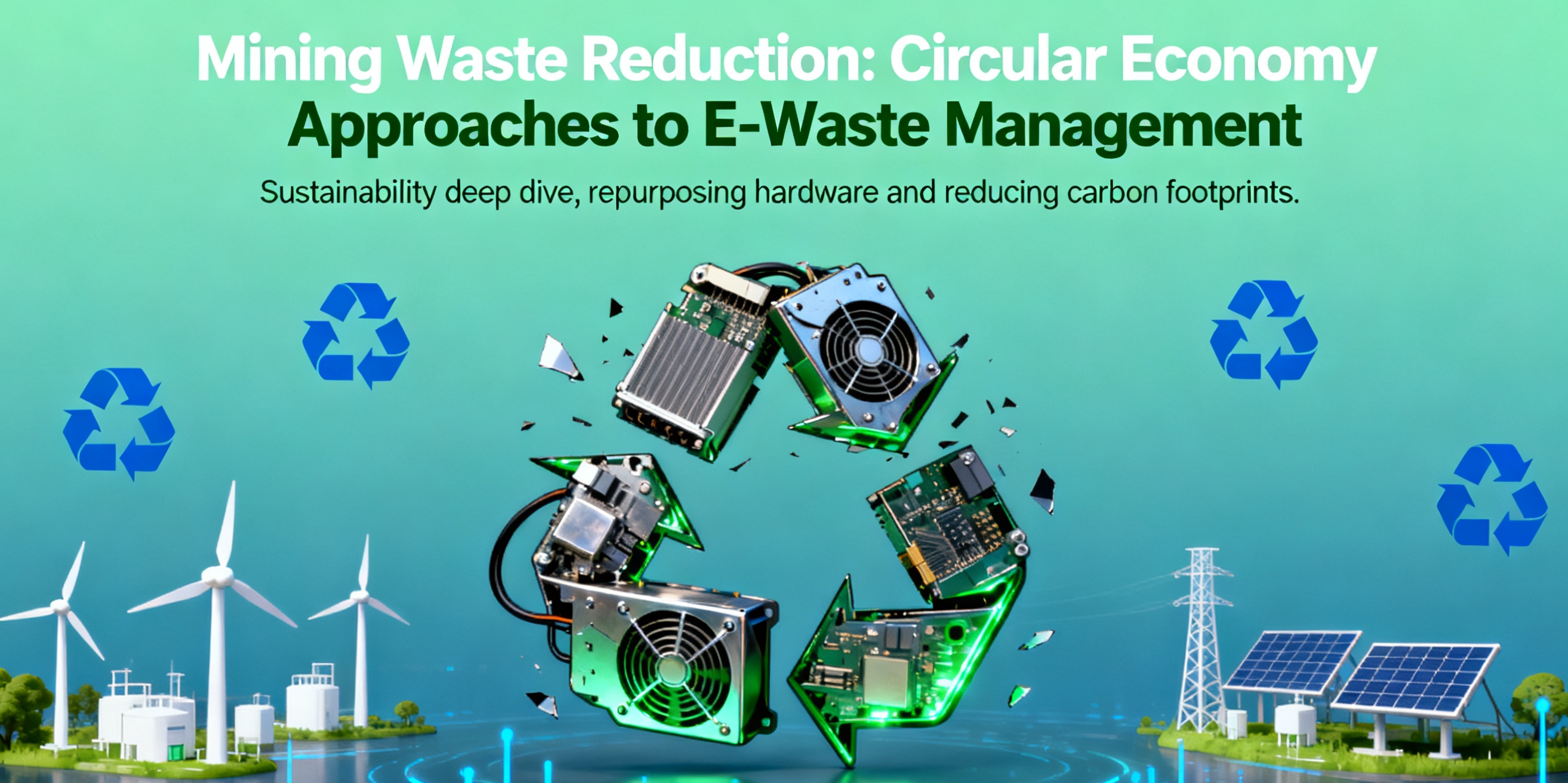
Bitcoin mining is the foundational process that secures the Bitcoin network and introduces new coins into circulation. For many, it represents an intriguing way to earn cryptocurrency. This guide breaks down how Bitcoin mining works and the steps to get started today.
At its core, Bitcoin mining involves powerful computers solving complex mathematical puzzles. This process validates and adds new transactions to Bitcoin's public ledger, the blockchain. Miners compete to solve these puzzles, and the first to succeed is rewarded with a block reward of newly minted Bitcoin plus transaction fees. This mechanism ensures the network's security and decentralization.
Before you begin, understanding the essential components is crucial. You will need specialized hardware called ASIC miners, which are designed specifically for mining Bitcoin and offer the necessary computational power. A reliable internet connection, a digital Bitcoin wallet to store your earnings, and access to mining software to connect your hardware to the blockchain are also mandatory. Furthermore, you must consider the significant electricity costs, as mining equipment consumes substantial power.
There are three primary paths for individual miners. Solo mining, where you mine alone, offers the full block reward but winning a block is extremely rare and unpredictable. Pool mining is the most common method, where miners combine their computational power to increase the chance of solving a block and share the rewards proportionally. Cloud mining involves renting mining power from a service, eliminating hardware management but requiring caution against scams.
The first practical step is to calculate profitability. Use an online Bitcoin mining calculator. Input your hardware's hash rate, power consumption, electricity cost, and pool fees. This will estimate your potential earnings versus expenses. Given current high competition and Bitcoin's halving cycles, mining is often only profitable with cheap electricity and efficient hardware.
Once your analysis is positive, acquire your ASIC miner from a reputable vendor. Next, choose a mining pool, research its reputation, fee structure, and payout scheme. Then, download and configure mining software like CGMiner or BFGMiner to connect your hardware to your chosen pool. Finally, set up your secure Bitcoin wallet address in the software to receive payouts.
It is vital to acknowledge the challenges and risks. The initial investment in hardware is substantial. Operational costs, primarily electricity, are continuous and can erase profits. The mining difficulty adjusts regularly, increasing the competition and reducing potential earnings over time. The regulatory environment for cryptocurrency mining varies by country and is subject to change.
For beginners, starting with a mining pool is strongly recommended. It provides more consistent, though smaller, rewards. Thoroughly research and prioritize joining a reputable pool. Ensure your mining setup has excellent ventilation and cooling, as ASIC miners generate considerable heat. Most importantly, only invest capital you are prepared to lose, as the crypto market is volatile.
Bitcoin mining has evolved from a hobbyist activity on personal computers to a highly competitive, industrial-scale operation. However, with careful planning, realistic expectations, and a focus on efficiency, individuals can still participate. By understanding the hardware, costs, and joining a pool, you can begin your mining journey. Stay informed on market trends and technological advancements to adapt your strategy in this dynamic field.
Post a Comment