How Bitcoin Mining Machines Work: A Step-by-Step Guide for Beginners
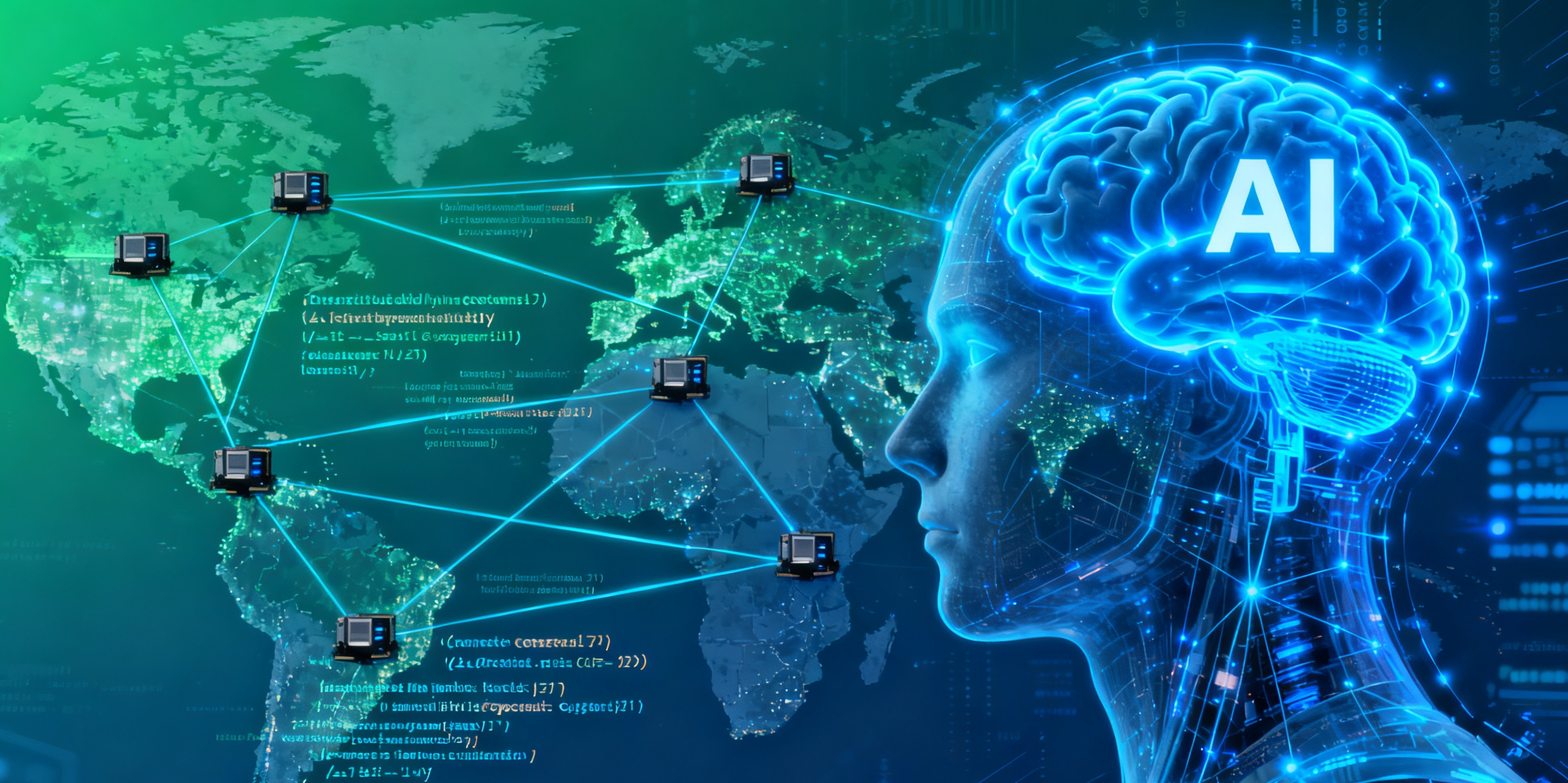
Bitcoin mining is a fundamental process that secures the network and creates new coins. At its heart are specialized computers known as Bitcoin mining machines or ASICs. But how do these machines actually "mine" Bitcoin? This guide breaks down the process into simple steps.
First, it's crucial to understand the goal. The Bitcoin network relies on a global ledger called the blockchain. Mining machines compete to add the next "block" of verified transactions to this chain. To do this, they must solve an extremely complex cryptographic puzzle. The first machine to solve the puzzle earns the right to add the block and is rewarded with newly minted Bitcoin and transaction fees.
The core task of a mining machine is to perform trillions of calculations per second. It takes the data of pending transactions, combines it with a random number called a "nonce," and runs it through a hash function (SHA-256). This function generates a unique, fixed-length string of characters—the hash. The goal is to produce a hash that meets a specific target set by the network, one that starts with a certain number of zeros. It is purely a game of guess-and-check.
Your mining machine will take the block data, guess a nonce, and calculate the hash. If the resulting hash doesn't meet the target, it changes the nonce and tries again. This happens billions of times per second. The difficulty of the target adjusts automatically every 2016 blocks to ensure a new block is found roughly every ten minutes, regardless of how much total computing power is on the network.
When a miner somewhere in the world finally finds a valid hash, it broadcasts the new block to the network. Other nodes quickly verify that the hash is correct and that the transactions inside are valid. Once confirmed, the block is added to the blockchain, and the winning miner receives the block reward. All other miners then stop work on that block and immediately start competing to solve the next one using the updated blockchain data.
The efficiency and power of a mining machine, measured in hash rate, directly determine its potential to earn rewards. However, due to the immense global competition, individual miners often join "mining pools." In a pool, many miners combine their hash power and share the rewards proportionally, providing a more steady, predictable income stream rather than relying on a rare solo win.
Beyond earning Bitcoin, this process is vital for security. To alter a past transaction, an attacker would need to redo the proof-of-work for that block and all subsequent blocks, requiring more computational power than the entire honest network—a practically impossible feat. Thus, the relentless work of these mining machines is what makes the Bitcoin blockchain immutable and trustworthy.
In summary, a Bitcoin mining machine mines by performing relentless cryptographic calculations to secure transactions, compete for block rewards, and maintain the decentralized integrity of the entire Bitcoin network. It is a specialized tool transforming electrical energy into computational guesswork, which in turn underpins the world's first decentralized digital currency.
Post a Comment